
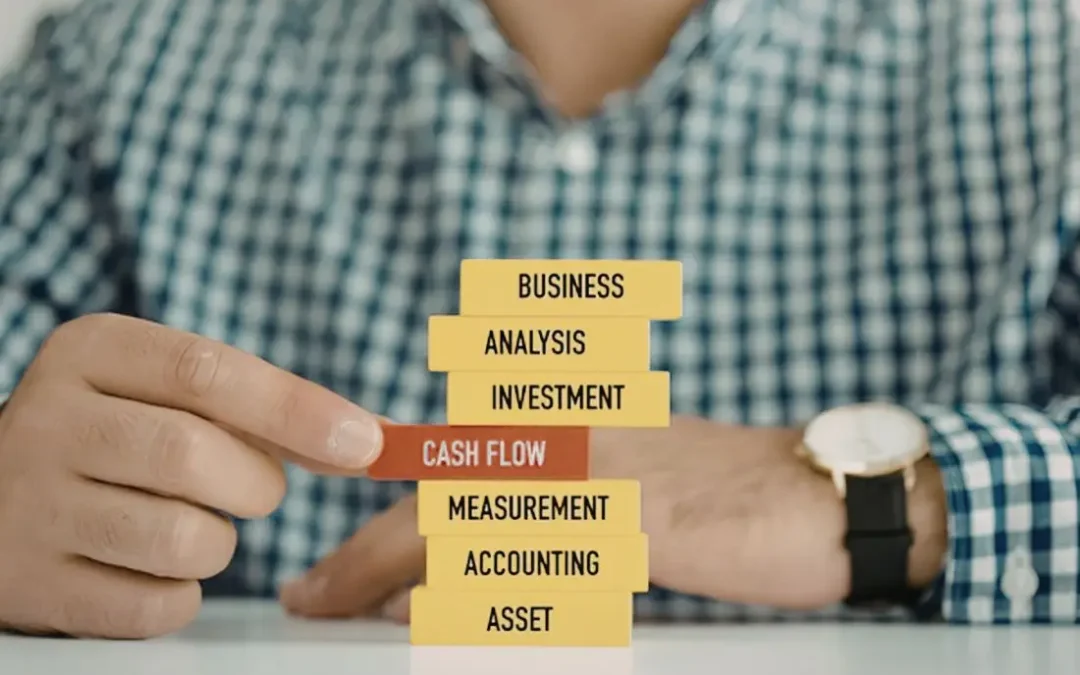
Why can a busy business still run short of cash?
A full calendar, new enquiries and a healthy sales report can make a business feel secure. Then a supplier invoice arrives just before payroll, while three customers still have not paid. Suddenly there is less money in the bank than the owner expected. This is a familiar business problem: sales and cash are not the same thing.
Cash flow describes the money that actually moves into and out of a business over time. Revenue describes sales earned, and profit is what remains after relevant expenses are recognised. They tell different stories. A business may report a profit and still face a cash shortage because payments arrive late, stock was purchased early, or a tax obligation is approaching.
For Canberra operators, from professional practices in Weston Creek to builders and local retailers, managing this timing matters as much as winning the next customer. The aim is not to predict every dollar perfectly. It is to spot pressure points early enough to make considered decisions.
Start with a clear picture of money coming in and going out
Begin with the last three to six months of bank transactions and reliable bookkeeping records. Group incoming cash into customer payments and other genuine receipts. Then separate outgoing amounts into wages, rent, supplier payments, subscriptions, tax, loan repayments and occasional purchases. Keep transfers between your own accounts separate so you do not count them as extra income or expenses.
Now ask three plain questions. Which receipts are dependable? Which payments have firm due dates? Which costs tend to arrive in lumps rather than evenly each month? Even a simple weekly spreadsheet can expose a gap that a year-end profit figure hides.
Check the balance against the bank account, but do not rely only on today’s bank figure. Some of that balance may be needed for GST, PAYG withholding, employee entitlements or other liabilities. A cash balance is not automatically spare money.
Understand the cash cycle
The cash cycle begins when money goes out to deliver a product or service and ends when the customer pays. A trades business might buy materials before sending a progress claim. A retailer may carry stock for weeks. A consulting firm may complete work in May but receive payment in July.
Find the stages that slow this cycle: quoting, purchase, job completion, invoicing, approval and collection. A few days of delay at each stage can add up. Improving the cycle may involve faster invoicing, clearer contracts or more regular follow-up rather than borrowing more money.
For practical ways to release cash tied up in debtors and stock, see our planned cluster article, How to Improve Working Capital Without Increasing Business Debt (publish at the proposed working-capital slug before enabling this link).
Build a forecast you will actually use
A forecast is a dated estimate of cash coming in and cash going out. Start with a short weekly view for the next 13 weeks, then add a monthly view for the next six to twelve months if that suits your business. Enter the opening bank balance, expected customer receipts and payments by the week or month they are likely to occur—not simply when an invoice is issued.
Include known seasonal patterns, leave periods, slower collection weeks, insurance renewals, planned purchases and tax payments. Show uncertain large invoices separately. Keep an optimistic, expected and cautious version for the major assumptions. If a customer payment slips by a fortnight, will wages still be covered? That is the sort of question a useful forecast answers.
Review the actual results against your estimates. An imperfect forecast that you update regularly is more useful than an elaborate model nobody opens. Our companion guide, Cash Flow Forecasting for Australian Small Businesses, explains the steps and includes a worked illustration.
Keep tax and employment obligations visible
Tax and employee commitments deserve their own lines in the forecast. A business that collects GST should not assume the full customer payment is available for operations. Actual reporting and payment obligations depend on its GST method, registrations and reporting cycle. Payroll, PAYG withholding and superannuation obligations can also have different timing.
Check the applicable dates with the ATO and your registered tax or BAS adviser. Set aside funds progressively where practical, and check the books before moving money. The goal is to avoid treating money earmarked for another purpose as working capital.
Financial N Legal House describes bookkeeping, BAS and GST compliance and financial reporting among its accounting services. Read its Accounting and Taxation service page for the current service description, rather than relying on a blog to establish what advice is suitable for your business.
Make invoicing and collections easier
Send an accurate invoice promptly after the agreed milestone. State the payment terms in the contract and on the invoice. Offer reasonable payment methods and check whether the invoice has reached the right person. For repeat clients, a simple reminder before the due date can be less awkward than a chase weeks later.
Track overdue invoices by age, not just total amount. One large account that is 60 days overdue may matter more than ten small invoices due tomorrow. If a customer disputes an invoice, resolve the underlying issue quickly. For persistent late payment, seek advice about your contractual and legal options before applying fees or collection processes.
Avoid building a forecast around an unpaid invoice as though payment were certain. Give receipts a realistic expected date and revisit it when circumstances change.
Match spending decisions to cash availability
Review recurring expenses, supplier arrangements and stock purchasing. It can make sense to buy materials in bulk, but only if savings justify the cash tied up. A new vehicle, fit-out or software contract may be worthwhile over several years while still creating a difficult first-quarter cash position.
Separate essential expenses from optional projects. Test what happens if revenue is lower or a major cost rises. When negotiating with suppliers, maintain fair, lawful terms and good relationships. Delaying every payment may create operational problems rather than solve them.
A budget helps decide what the business intends to spend; a cash forecast shows when payments may leave the account. Our article Business Budgeting vs Cash Flow Forecasting: What’s the Difference? explores why both tools matter.
Use a small set of numbers each month
A useful owner dashboard need not be complicated. Consider monitoring bank cash available after commitments, overdue receivables, gross margin, operating cash movement and the forecast’s lowest expected balance. Definitions must stay consistent so month-to-month trends mean something.
Do not let a single metric drive all decisions. A high sales total can disguise unpaid invoices, while a healthy bank balance can be inflated by a recent loan. Our proposed article Financial KPIs Every Canberra Small Business Owner Should Monitor shows how to put the numbers in context.
When is it worth seeking support?
Consider a discussion when cash shortages recur despite sales, records do not match the bank, a large project will require upfront spending, or tax payments regularly come as a surprise. Professional input may help separate a bookkeeping problem from a pricing, collection or operating problem. No general article can diagnose every business, and recommendations should reflect actual accounts and circumstances.
Next step: Contact Financial N Legal House through its contact page to ask about the business, bookkeeping and financial reporting services available for your circumstances. This guide is general information, not personalised financial, tax or legal advice.
Frequently asked questions
Is cash flow the same as profit?
No. Profit reflects income and expenses under the accounting approach used; cash flow tracks real receipts and payments. A profitable business can still struggle to pay a bill on time.
How often should a small business update its forecast?
A weekly check is useful when cash is tight or payments vary. A more stable business may use a monthly review with a shorter-term watch list for major bills.
Can a business improve cash flow without taking a loan?
Sometimes. Faster invoicing, better debt collection, careful stock purchasing and a closer review of costs can help. Results depend on customer behaviour and contracts.
Should GST be included in a forecast?
A cash forecast should consistently reflect the real amounts moving through accounts, with tax amounts and future liabilities clearly identified. Check reporting treatment with an appropriate adviser.
What is the first warning sign of cash trouble?
Repeatedly pushing supplier payments back, using tax money for operating costs or relying on late customer receipts may indicate a problem worth investigating.
Email: info@financialNlegalhouse.com.au
Address: 8/14 Brierly St, Weston Creek, ACT
Phone: 1300175468